Send the Closer: Why the Expo Floor Needs Senior Talent, Not Badge Scanners
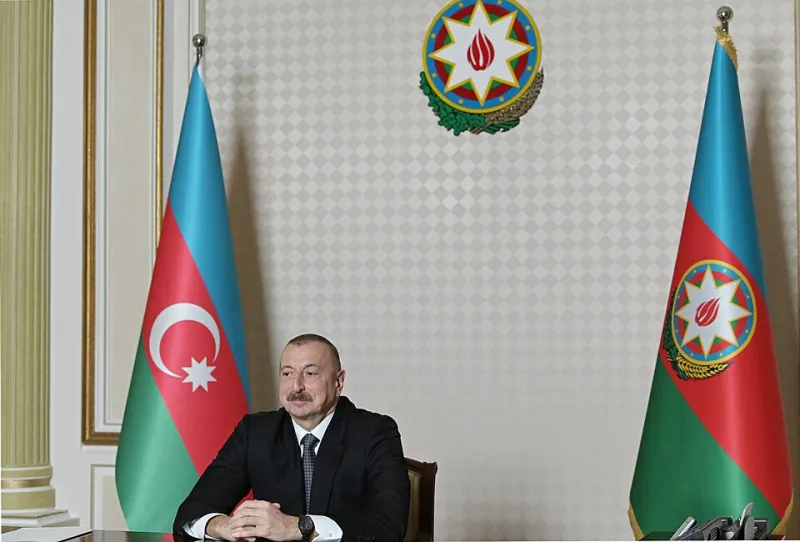
Photo: Press Service of the President of the Republic of Azerbaijan, CC BY 4.0, via Wikimedia Commons
The Floor's Reputation Problem
At many global summits, the expo floor carries a quiet stigma. It is seen as the place where junior staff collect badges, hand out brochures, and count foot traffic. Senior executives appear for a scheduled walk-through, shake a few hands, and retreat to the private lounge. The floor is busy, but it is not treated as consequential.
That reputation is now a competitive liability. The expo floor has become one of the summit's highest-leverage deal environments. Delegates arrive with specific problems, pre-booked meetings, and limited time. They are not browsing for entertainment. They are comparing solutions, testing expertise, and deciding whom to trust. Companies that staff the floor with badge scanners are wasting the setting. Companies that staff it with senior solution experts are building pipeline.
Authority Is the Product
The core argument is simple: authority closes conversations. A junior staffer can scan a badge and deliver a script. A senior solution expert can diagnose a workflow problem, discuss integration risk, answer procurement questions, and commit to a next step. At a global summit, where delegates may have traveled thousands of miles and scheduled back-to-back meetings, that difference is decisive.
Authority does not require the chief executive to stand at the booth for eight hours. It requires people with real decision influence: a vice president of solutions, a principal engineer, a practice lead, or a regional commercial director. These are the people who can say yes to a technical deep dive, a pilot, or a follow-up workshop. They are the rainmakers of the floor.
The Pre-Booked Floor Meeting
The most effective expo programs do not wait for walk-ups. They pre-book meetings before the summit begins. The host's matchmaking platform, sponsor lists, and delegate directories can be used to identify target accounts. The booth becomes a meeting room, not a display case.
A 20-minute pre-booked meeting with the right buyer is worth more than a day of badge scans. Prepare a one-page account brief, a specific agenda, and a named senior expert. Confirm the meeting 48 hours in advance. Reserve a quiet corner of the booth or a nearby table. Treat the floor schedule with the same discipline as a board calendar.
Staffing Ratios and Runbooks
A common mistake is sending an entourage. Too many staffers create confusion, and too few senior experts create bottlenecks. A workable ratio is three or four senior solution experts supported by one coordinator. The coordinator manages the calendar, captures notes, and handles logistics. The experts focus on conversations.
The team needs a runbook, not a pitch script. The runbook should define the target segments, the discovery questions, the approved next steps, and the escalation path. It should also define what the team will not do: no generic demos, no unqualified giveaways, no promises that require legal review. A short daily debrief can correct course before the next meeting block.
Follow-Up Is the Multiplier
Expo floor conversations decay quickly. The strongest programs assign follow-up ownership before the event and set a 48-hour deadline for initial contact. The follow-up should come from the senior expert who held the meeting, not from a generic marketing address. It should reference the specific problem discussed and propose a concrete next step.
Disciplined follow-up turns a floor conversation into a qualified opportunity. It also produces the data the board will ask for: meetings held, qualified opportunities created, and pipeline generated within 90 days. Without that discipline, the sponsorship remains a line item with a stack of badges and no story.
What the Board Should Ask
Before approving another expo sponsorship, directors should ask three questions. Who is staffing the floor? How many pre-booked meetings are on the calendar? What is the follow-up service level after the summit? If the answers point to junior staff, walk-up traffic, and an untracked follow-up process, the company is buying presence, not pipeline.
The expo floor is not a lesser stage. It is a compressed market, where expertise is tested in real time. Send the closer. Give that person authority, a calendar, and a disciplined follow-up process. The floor will do the rest.