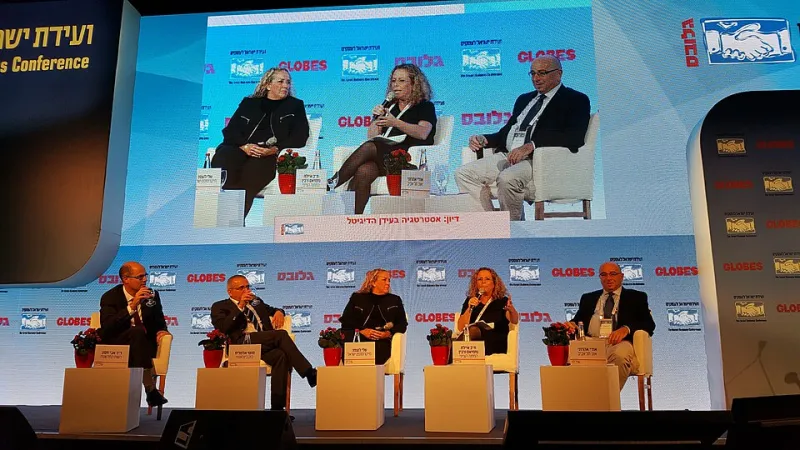
Ninety Seconds to Relevance: A Founder's Field Guide to Summit Networking That Actually Closes

Photo: Anesu gerry rasgam, CC BY-SA 4.0, via Wikimedia Commons
Here is an uncomfortable statistic that no conference organizer will put in their marketing materials: the overwhelming majority of business cards exchanged at international summits are never followed up on. Attendees fly home, clear their inboxes, and the connections evaporate.
The problem is not the conference. It is the absence of a system. After years of observing which attendees leave the Global Business Summit with signed agreements and which leave with souvenir lanyards, a pattern is clear — and it is learnable.
Do the Work Before You Board the Plane
Networking at a summit is won or lost weeks in advance. The attendee directory is released early for a reason.
Build a short list — twenty names, not two hundred. Prioritize people you can genuinely help, not just people who can help you. Research their recent earnings calls, funding announcements, or public interviews. A single specific reference — "your expansion into the Texas market caught my attention" — separates you from every generic introduction they will hear that week.
Then, do something almost nobody does: reach out before the event. A brief message proposing coffee on day one is dramatically more effective than a hallway ambush. Calendars fill fast; the prepared get the meetings.
Master the 90-Second Introduction
The default American conference introduction follows a predictable arc: name, title, company, a rehearsed elevator pitch, and then — the fatal move — an immediate pitch for something.
Flip the sequence. Lead with a question about the other person's business. Listen for the opening. When it is your turn, deliver a crisp, specific articulation of what you do and, more importantly, what problem you solve. Ninety seconds is not a limitation; it is a discipline. If your introduction cannot survive that constraint, it is not ready for a global stage.
One caveat that deserves emphasis: American directness travels unevenly. What reads as confident in a New York boardroom can read as aggressive in a first meeting with a counterpart from Tokyo or Frankfurt. Adjust your tempo, not your substance.
Quality Over Volume, Always
A common misstep: treating the summit as a numbers game, collecting contacts like a scavenger hunt. Veteran dealmakers do the opposite. Three meaningful conversations per day — conversations with real follow-up potential — outperform thirty superficial ones. Depth compounds; breadth rarely does.
Build the Follow-Up Machine Before You Arrive
The follow-up is where deals are made, and it is where most attendees fail. Before the Summit, set up a simple system: a spreadsheet or CRM with a column for the conversation's substance, a promised next step, and a follow-up date.
Then follow a strict rule: every follow-up email goes out within 48 hours, while the conversation is still fresh. Reference something specific. Deliver on whatever you promised — an introduction, an article, a data point. A follow-up that delivers value is remembered; one that asks for a meeting is filed away.
The Mistakes That Make You Forgettable
A few patterns reliably mark American executives as amateurs on an international stage:
- Pitching before relating. Trust precedes transactions in most of the world. Respect that order.
- Monopolizing time. Reading the room means knowing when a conversation has reached its natural end. Exit gracefully and leave them wanting more.
- Skipping the evening programming. The real relationship-building happens at dinners and receptions, not panel Q&As.
- Failing to take notes. You will meet dozens of people. Your memory will betray you; your notes will not.
The Long Game
The best networkers at any international summit are not the loudest. They are the most intentional — the ones who arrive with a plan, listen more than they speak, and treat every conversation as the first chapter of a longer story. Two days of disciplined effort can yield partnerships that pay dividends for a decade.
The badge gets you in the door. The system gets you the term sheet.