Conference Triage: The Fortune 500 Playbook for Splitting a Summit Agenda Without Missing a Beat

Photo: UW Digital Collections, No restrictions, via Wikimedia Commons
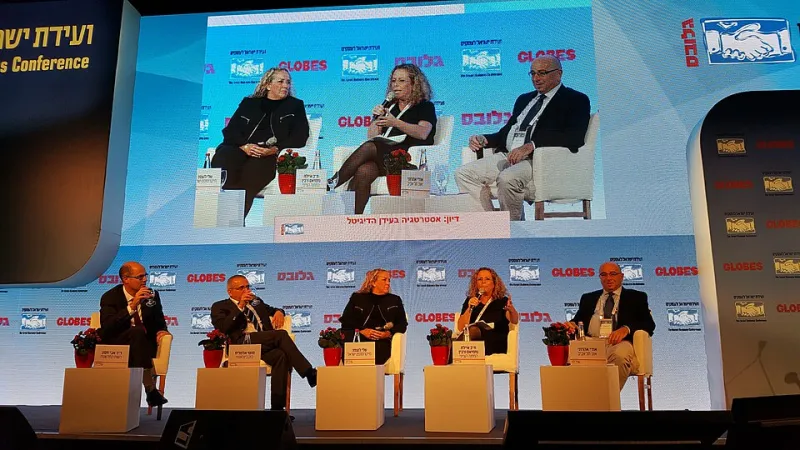
Every February, a familiar scene plays out in the lobbies of the world's premier business conferences: a CEO, a COO, and a head of strategy stand in front of the same agenda app, realizing they want to attend three simultaneous sessions. The instinct is to split up and hope for the best. The disciplined approach — the one used by delegations from Fortune 500 companies — treats the conference agenda the way a portfolio manager treats capital allocation.
Why Attendance Is an Allocation Problem
A two-day summit typically offers 40 to 60 hours of programmed content. No single executive can absorb more than a fraction of it, and attempting to do so usually produces exhausted leaders with shallow notes. The alternative is deliberate triage: assign each session to the person for whom it carries the highest marginal value.
The framework is simple. Rate every session on three axes: relevance to your current strategic priorities, uniqueness of the content (is it available as a recording later?), and networking density (who else will be in the room?). Sessions that score high on networking density but low on content uniqueness are prime candidates for delegation — send the team member who most needs the relationships, not the one who most wants the content.
The Divided Attendance Strategy
Delegations from several S&P 500 companies use a variation of what practitioners call the quadrant split. Before arrival, the team divides the agenda into four roles:
- The Scout attends emerging-topic sessions — AI governance, frontier markets, regulatory shifts — and flags anything that should reach the board.
- The Operator covers execution-focused tracks: supply chain, talent, capital efficiency.
- The Ambassador skips sessions almost entirely, holding a schedule of pre-booked bilateral meetings and hospitality suites.
- The Scribe rotates into any session two or more leaders want, capturing notes for shared distribution.
The Ambassador role is the one most teams get wrong. It feels wasteful to skip keynotes, yet the highest-ROI conversations at any summit happen between sessions — in the coffee line, at the delegation lounge, during the 15 minutes after a panel ends. Companies that formalize this time, assigning specific targets and follow-up owners, routinely report it outperforms the formal programming in measurable outcomes: partnerships initiated, investor conversations opened, talent identified.
Covering Missed Sessions With AI Tools
The quadrant model only works if no one flies blind. Increasingly, delegations run a shared note-intelligence layer on top of the split schedule. Tools like Otter, Fireflies, and Granola can transcribe live sessions, while newer AI summarization workflows condense a colleague's raw transcript into a two-paragraph brief keyed to your priorities.
The practice that separates sophisticated teams from casual users: a shared briefing document, updated in real time, with one section per agenda track. Each attendee posts three bullets per session — the claim, the evidence, and the implication for us. By evening, the team holds a 20-minute debrief over dinner and effectively attends every session twice: once live, once synthesized.
A word of caution. Verify each session's recording and AI policy before capturing audio. Most summits now publish clear guidelines, and the reputational cost of violating them outweighs any efficiency gain.
A Sample Two-Day Split
Consider a hypothetical delegation of four from a US industrial firm attending a global summit:
Day one morning. The CEO takes the opening macro-economy keynote (high networking density), the COO takes the supply chain resilience panel, the CHRO takes the global talent mobility session, and the Scribe covers the AI-in-operations workshop on everyone's list.
Day one afternoon. The Ambassador block begins. The CEO holds three pre-scheduled 20-minute meetings, back to back, in a booked suite. The others rotate through sessions, each posting bullets to the shared brief by 6 p.m.
Day two. The team re-bundles based on day-one debrief. If a regulatory session generated buzz, someone pivots into it. Flexibility, within a structured frame, is the point.
Turning Hallways Into the Main Event
The final discipline is measuring the trip by conversations, not sessions. Sophisticated delegations set a numeric target — 15 meaningful exchanges, five follow-ups scheduled, two qualified opportunities — and review it before the flight home. The sessions are the excuse to be in the building. The delegations that win treat the agenda as a map of where the right people will be standing, and plan accordingly.
When the next summit convenes, the leaders who leave with the most value won't be the ones who attended the most sessions. They'll be the ones who treated the entire event — agenda, hallways, and dinners — as one integrated, deliberately divided portfolio.