No Deck, No Notes: The Anatomy of Keynotes Delegates Still Quote a Decade Later
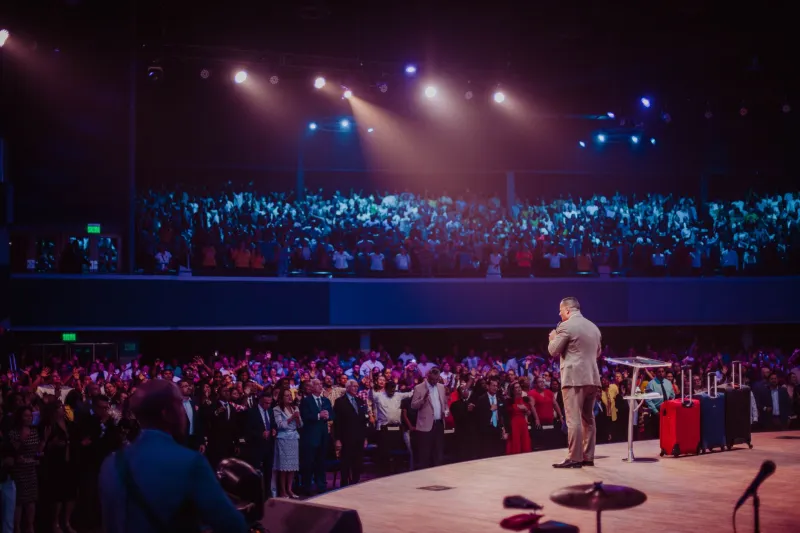
Ask a veteran delegate to recall last year's keynote lineup and you will likely get a shrug. Ask them about a handful of talks delivered a decade ago and they will recite passages from memory.
That gap is the central problem of summit programming. The overwhelming majority of global-stage speeches are competent, polished, and instantly forgettable — corporate read-alongs delivered from a teleprompter to an audience半 checking email in the dark. But the exceptions teach a consistent lesson: memorability is not a talent issue. It is a structural one.
The Nineteen-Minute Rule
Across the keynotes that endure, one pattern repeats: they are shorter than the slot allows. The most-quoted talks of the past ten years tended to run under twenty-five minutes, well beneath the standard forty-five. The speakers understood that an audience's memory of a talk is shaped by its ending, and the only way to guarantee a strong ending is to leave the audience wanting one more story rather than checking the time.
Brevity also forces editing. A speaker who cannot cut their talk to twenty minutes has not decided what the talk is about.
Radical Specificity Over Safe Universality
The forgettable keynotes share a vocabulary: resilience, disruption, the pace of change. The memorable ones traffic in details so specific they feel indiscreet. Speakers who walked the audience through an actual failed negotiation — the numbers, the misjudgment, the phone call afterward — are quoted because specificity is memorable in a way abstraction never is.
This is the discipline many executives resist. Vulnerability on a global stage feels risky, particularly for leaders whose boards are watching. But the risk calculus is backwards. A flawless, content-free speech costs a reputation nothing and earns it nothing. A specific, self-critical one becomes the anecdote other people tell.
Live Problem-Solving Beats the Prepared Arc
A small subset of standout keynotes abandoned the prepared arc entirely. In the most-discussed variant, the speaker invited an audience member to name a real business problem and worked it live, in front of two thousand people, reasoning aloud.
The format is terrifying and nearly impossible to fake. That is precisely its value. Delegates can smell a rehearsed performance; they can equally smell genuine competence applied in real time. One live demonstration of actual expertise outweighs an hour of claims about expertise.
The Staging Choices Nobody Notices
The structural details matter more than most speakers admit:
- Leave the podium. Speakers who walk the stage, unclipped from the confidence monitor, read as owners of the room rather than visitors.
- One idea per talk. The keynotes that endure almost always contain a single load-bearing argument, not five.
- Engineer one participatory moment. A show of hands, a live poll, a question answered from the floor — anything that converts an audience into witnesses.
- Rehearse the first ninety seconds to word-perfection. Nerves peak at the opening; a memorized launch buys the speaker the composure to improvise the rest.
The Pre-Stage Checklist
For any executive preparing to take an international stage, the distilled checklist is short. Cut the talk to half the allotted time. Replace every abstraction with one named, dated, numbered example. Decide in advance the one sentence you want repeated in the lobby — and build the talk so that sentence lands in the final three minutes. Then rehearse the opening until it survives a bad night's sleep.
The global stage is not a bigger version of the boardroom. It is a different medium with different physics. The speakers who understood that are the ones delegates are still quoting.