The Bidding War Nobody Campaigns In: What Mayors Are Really Buying With Summit Subsidies
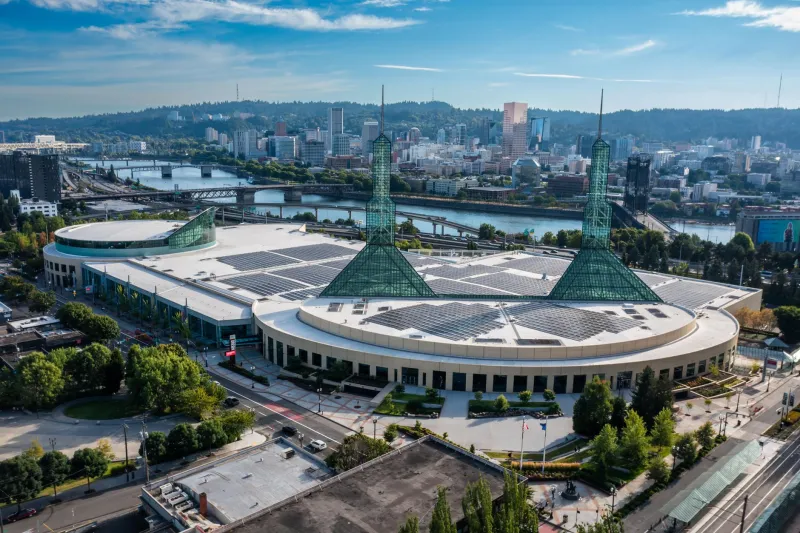
When an American city wins a bid to host a major international business summit, the press release writes itself: thousands of delegates, thousands of hotel room nights, a global spotlight. What the release omits is the check the city just wrote.
Municipal bidding for global conferences has become a genuine competitive market, with convention bureaus offering tax abatements, subsidized venue costs, and public-safety packages that can run well into eight figures. The question taxpayers should be asking is not whether the summit is prestigious. It is whether the subsidy buys anything a普通 marketing campaign could not.
The Hotel-Night Math Problem
Start with the arithmetic the bureaus lead with. A multiday international summit might generate 15,000 to 30,000 room nights, plus restaurant spending, ground transport, and entertainment. That is real money, and it lands in the middle of what are often soft seasons for business travel.
But the direct spending rarely covers the public subsidy on its own. Studies of convention economics — including several skeptical ones produced by academic economists rather than tourism boards — have repeatedly found that projected returns tend to overstate actual impact, sometimes substantially. Delegates on expense accounts spend less than brochures promise, and much of the spending leaks to national hotel chains rather than local pockets.
If room nights were the whole story, most bids would fail a straight cost-benefit test. The bureaus know this. Which is why the honest pitch is about something else.
What Is Actually Being Sold
The defensible argument for the subsidy is that a global summit functions as a week-long, city-scale sales call. When three thousand foreign executives walk a downtown, eat in local restaurants, and meet local firms, the city gets something an advertising buy cannot purchase: credibility delivered in person, to exactly the people who make siting and investment decisions.
There is evidence this can work. Cities that hosted major international business gatherings have, in several documented cases, seen follow-on investment inquiries, expanded foreign trade offices, and airline route announcements in the subsequent years. The mechanism is mundane — familiarity lowers the perceived risk of a market — but it is real.
The catch is conversion. A summit produces a database of contacts and a memory of a pleasant week. Whether that becomes investment depends on whether the city has an actual follow-through operation: a trade office staffed to work the delegate list, local firms prepared to meet buyers, a plan for the year after the applause. Most host cities have none of this. The summit ends, the delegation goes home, and the city's global business development reverts to a part-time function inside the chamber of commerce.
Winners, Losers, and Expensive Theater
The winners in the bidding wars share traits. They are mid-sized cities — think Columbus, Nashville, the kind of American metros that can offer a compelling narrative of growth without coastal price tags. They treat the bid as the first step of a multiyear strategy rather than the trophy itself. And they negotiate subsidies with sunset clauses and performance requirements instead of blank checks.
The losers are harder to spot because losing looks like hosting a successful event. A city that pays a king's ransom for a summit, generates a good hotel week, and then does nothing with the relationships has purchased expensive theater — a pleasant production with no second act.
The Verdict
Is the summit boom a smart civic investment? Conditionally. As pure stimulus, the math rarely works. As the anchor of a deliberate international business strategy — with follow-up funded and measured — the subsidy can be the cheapest access to the global dealmaking table a mid-sized American city will ever get.
The bidding wars will continue either way. The cities that win in the long run will not be the ones that paid the most to host the world. They will be the ones that kept the guest list afterward.