Smaller Rooms, Bigger Returns: The Quiet Migration to Second-Tier Business Summits

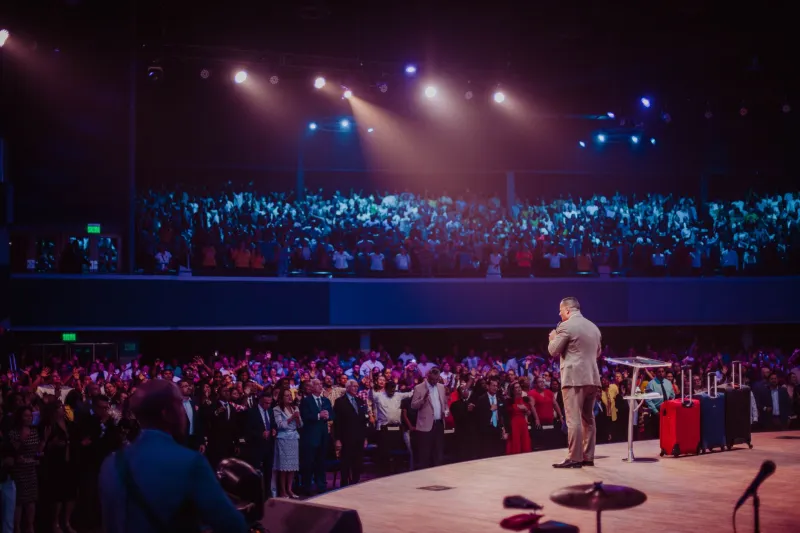
Here is an uncomfortable arithmetic problem facing the flagship global summit: a delegate flies to a coastal mega-conference, spends $6,000 to $9,000 all-in, battles a crowd of fifteen thousand, and leaves with three meaningful conversations. A colleague books a 400-person industry summit in a second-tier city, spends a third as much, and leaves with eleven.
Multiply that gap across a sales team, and you begin to understand why the second-tier summit is no longer a consolation prize. It is, increasingly, the allocation of choice for executives who measure conferences the way they measure any other investment.
The Fatigue Is Financial, Not Just Physical
Delegate fatigue is usually described as a human problem — too many panels, too much noise, too little sleep. But the deeper fatigue is financial. Flagship summits have priced themselves at a level where every hallway conversation carries an implied cost. When an executive mentally tags each coffee chat at $400, they start optimizing for meetings rather than relationships, and the serendipity that justifies the trip evaporates.
Second-tier events invert the economics. With registration, travel, and lodging often totaling under $2,500, attendees can afford to be generous with their time — and generosity is the raw material of deal flow.
Why the Smaller Format Converts
Three structural advantages do the work.
Density. At a 400-person summit with a tight vertical focus, nearly every badge is a qualified counterpart. At a 15,000-person general summit, qualification happens by lottery. The ratio of relevant conversations to total conversations may be five times higher at the smaller event.
Access. At flagship conferences, the executives worth meeting are barricaded behind VIP lounges and handler-managed schedules. At a regional summit, the same people are eating breakfast at the next table. Proximity is a feature of scale, not a bug of it.
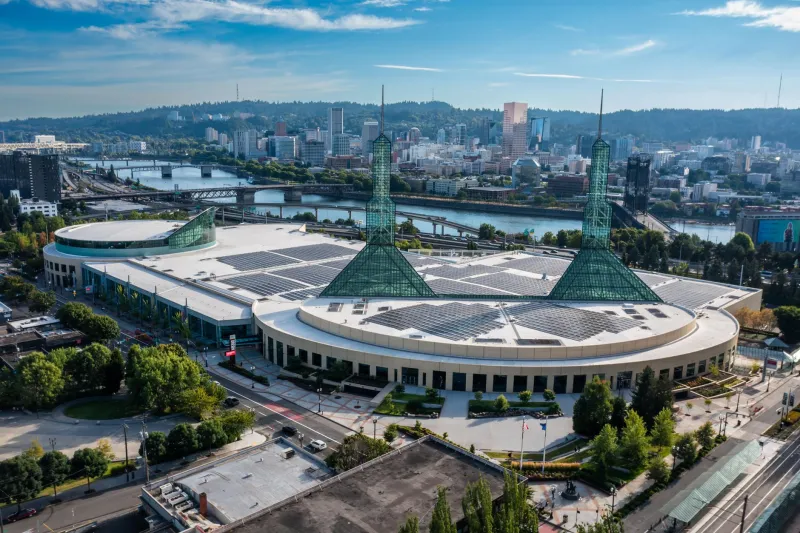
Host-city hunger. Second-tier cities — Columbus, Nashville, Kansas City, Raleigh — compete for these events the way they once competed for corporate headquarters. That means subsidized venues, engaged local delegations, and mayors who show up. The host city's ambition becomes the attendee's opportunity.
The Counterargument, Taken Seriously
Defenders of the mega-summit raise a fair point: the biggest events concentrate buyers that no regional gathering can replicate. A sovereign wealth fund delegation does not send principals to a 300-person SaaS conference in the Midwest.
But this objection assumes the executive must choose. The emerging pattern among sophisticated attendees is a portfolio approach: one flagship summit per year for brand visibility and a small number of high-value targets, supplemented by two or three regional events where the actual pipeline gets built. The flagship is the billboard. The second-tier summit is the storefront.
There is also a quality-of-engagement argument that cuts the other way. Deals born in oversized rooms tend to be shallow — a mutual nod, a LinkedIn connection, a slow fade. Deals born in smaller rooms carry the memory of a real conversation over a real meal, which is precisely the kind of context that survives the follow-up email gauntlet.
What This Means for Summit Organizers
The lesson for programmers is uncomfortable but clear: scale is becoming a liability dressed as an asset. The summits winning executive budgets in 2025 and beyond are those that can defend their headcount — capping attendance, curating the delegate list, and programming around small-format sessions rather than arena keynotes.
For attendees, the directive is simpler. Stop asking whether a summit is important. Ask whether your next dollar of conference spend buys a room where you can actually be heard. More and more, the honest answer is found in a smaller city, in a smaller room, at a fraction of the price.