From Plus-One to Power Broker: The Quiet Overhaul of the Summit Partner Track

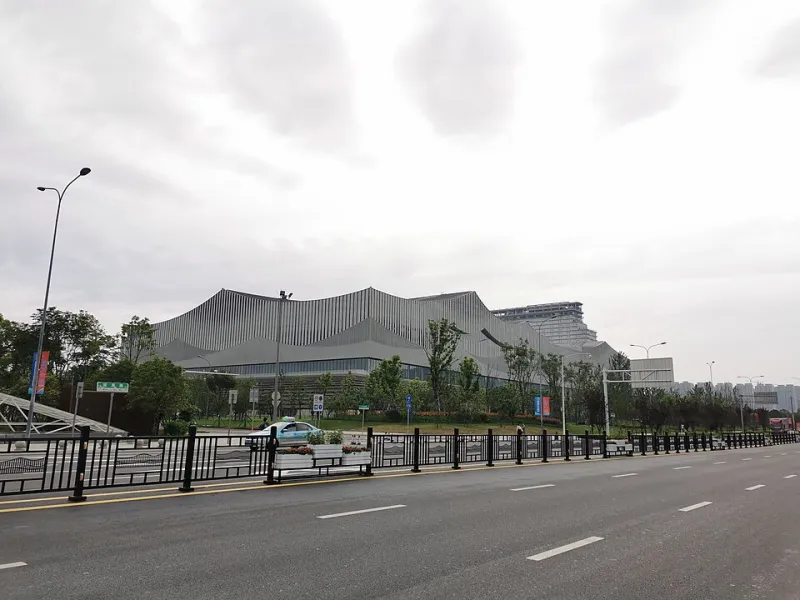
Photo: North Charleston from North Charleston, SC, United States, CC BY-SA 2.0, via Wikimedia Commons
When the Global Business Summit convenes each year, the badges tell a familiar story: thousands of executives, founders, and policymakers crisscrossing ballrooms in pursuit of opportunity. But there is a second delegation, larger than most organizers care to admit, that has historically been given little more than a welcome tote and a walking-tour schedule. The partners and spouses of attending executives — often accomplished professionals in their own right — have long been the summit's most visible afterthought.
That is beginning to change, and the organizations paying attention are discovering something their counterparts have missed for years: the person sitting beside the chief executive at the gala dinner is frequently a better networker, a more patient listener, and a more trusted confidant than the executive's own lieutenants.
The Legacy Problem: Tours, Teas, and Missed Opportunity
The traditional partner program was built for a business culture that no longer exists. Morning excursions to botanical gardens, afternoon shopping blocks, an optional museum visit — the itinerary assumed that accompanying spouses had no professional identity and no interest in the proceedings. In the American context, where dual-career households are now the norm, the assumption has become not just outdated but off-putting.
Delegation leaders report a growing friction point. Executives increasingly decline to bring partners at all, citing the awkwardness of a program that infantilizes a accomplished adult. Others bring them, only to watch a capable professional — a physician, an attorney, a founder — spend three days making small talk at events designed for someone else's idea of leisure.
The cost of that waste is hard to quantify precisely, but veterans of international deal-making argue it is real. Relationships between companies are, in the end, relationships between people. And the spouse who spends a genuine hour with a counterpart's spouse — comparing notes on relocation, schools, the pressures of executive life — is building a channel of trust that no golf outing can replicate.
What a Serious Partner Track Looks Like
The most forward-thinking programming now treats the partner agenda as a parallel conference rather than a holding pen. Consider what a handful of host cities and organizers have begun to offer:
- Curated professional roundtables, matching partners by industry or functional background so a former CFO doesn't spend the week discussing flower arrangements.
- Access to select plenary sessions and briefings, with reserved seating that acknowledges the partner as a stakeholder in the delegation's mission.
- Structured introductions to counterparts' partners, scheduled with the same intentionality as the executives' own bilateral meetings.
- Civic and economic briefings from host-city development agencies, positioning the partner as a future ambassador for investment and relocation decisions.
The shift mirrors a broader change in corporate travel philosophy. When a company sends an executive overseas, the investment — flights, hotels, per diems, opportunity cost — already assumes the trip will produce relationships. Extending that logic to the partner seat costs relatively little and compounds the return.
The Deal Multiplier Effect
Delegation veterans tell a consistent story: some of the most durable connections formed at a summit happen not in the negotiation suite but at the spouses' lunch, the partner-led city tour, or the informal coffee where neither party is performing for the deal. Partners can ask the candid questions executives cannot. They can flag concerns about a counterpart organization with a directness that would be impolitic coming from the principal.
One American founder attending a recent international summit described it plainly: the term sheet was signed in the boardroom, but the deal was saved at a dinner where both families realized they shared the same challenges — the same questions about international schooling, the same anxieties about uprooting a household. That recognition, she noted, turned a transactional negotiation into a long-term partnership.
A Practical Playbook for Delegations
For American companies and trade missions preparing for the coming summit season, the guidance is straightforward:
- Ask, don't assume. Survey partners before the trip about their professional backgrounds and interests. A one-page questionnaire reveals far more than any default itinerary.
- Budget for substance. A partner program with real content — briefings, roundtables, facilitated introductions — costs marginally more than a bus tour and delivers categorically more value.
- Credential accordingly. If a partner will attend sessions, give them a badge that opens doors, not one that signals visitor status.
- Brief the principals. Executives should understand that their partner's network is an extension of the delegation's capacity, and plan time accordingly.
The Seat at the Table Was Always There
The irony of the partner track is that the strategic value was never in question — only the imagination. Global summits spend enormous sums engineering serendipity among delegates while leaving the most natural relationship-builders in the building to wander a museum alone.
As American host cities compete ever harder to attract international gatherings, the quality of the partner program is quietly becoming a differentiator — one that sophisticated delegations are beginning to weigh alongside hotel inventory and flight access. The plus-one seat, it turns out, was never a courtesy. It was an unfilled position on the org chart. The organizations filling it first will be the ones whose relationships outlast the closing reception.