The Shadow Agenda: Where International Deals Actually Get Signed
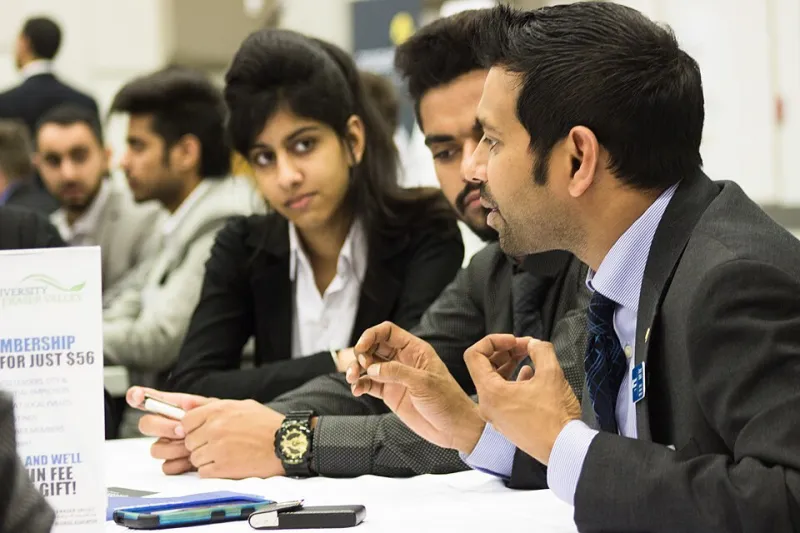
Photo: University of the Fraser Valley, CC BY 2.0, via Wikimedia Commons
Every major summit publishes an agenda. The most experienced attendees, however, arrive with two: the printed program and the one that never appears on any website. Veterans of events like the Global Business Summit will tell you that the formal sessions justify the badge price, but the informal economy—dinners, hallway huddles, and late-evening lobby conversations—is where partnerships, term sheets, and cross-border expansions tend to take shape.
The Economics of the Unofficial Program
There is a reason Wall Street bankers schedule their Frankfurt meetings around conference hours rather than during them. A 45-minute panel rarely allows for the kind of candor that a two-hour dinner with six decision-makers does. Off-stage, executives can speak plainly about valuation gaps, regulatory concerns in specific markets, and the internal politics that no one will voice from a podium.
For American companies eyeing international growth, these unscheduled windows are disproportionately valuable. A founder from Austin may fly eleven hours to hear a keynote, but the real return on the trip often comes from a shared taxi line conversation with a Singaporean distributor's managing director.
Mapping the Shadow Calendar
Sophisticated attendees treat the informal program with the same rigor as the official one. Several patterns have emerged among US executives who consistently convert summits into deals:
- Anchor events first. Secure invitations to host dinners, investor receptions, and delegation briefings before booking flights. These invitations circulate weeks in advance and rarely go to those who wait until arrival to ask.
- Protect the margins. Block out the 90 minutes before the opening keynote and the hours after the evening receptions. Overloading your schedule with panels leaves no room for the conversations that panels spark.
- Work the intermediaries. Country delegation leads, trade attachés, and industry association staff know which rooms exist and who belongs in them. A warm introduction from one of them is worth more than any badge upgrade.
- Trade, don't beg. Access to private gatherings is a currency. Offering a seat at your own dinner, a useful introduction, or proprietary market research earns standing faster than asking for favors.
Earning a Seat in the Room
The question most first-time attendees ask is how to get invited at all. The honest answer: proximity is earned in advance, not on-site. Program committees, sponsors, and delegation organizers begin assembling their guest lists months before doors open. Executives who reach out early—with a specific reason to be in the room, such as a market entry plan or a fundraise in progress—far outperform those who simply request access.
It also pays to be a contributor rather than a consumer. Sponsoring a small side event, hosting a breakfast for a niche peer group, or co-hosting a delegation reception puts your name on the invitation itself. Suddenly, the flow of access reverses: instead of seeking rooms, you are creating them, and the guests come to you.
What Organizers Should Learn From the Shadow Agenda
For conference organizers, the informal economy is not a threat to the official program—it is a signal. When attendees consistently skip afternoon sessions in favor of hallway meetings, the programming has a gap. The most forward-thinking summit teams now design for it deliberately: extended coffee blocks, bookable private meeting suites, curated introduction services, and evening programming that facilitates rather than competes with private gatherings.
Some have formalized the shadow agenda entirely, offering matchmade meeting programs and hosted buyer models that bring the spontaneity of the hallway into a structured format. The results speak for themselves: measurable deal flow, higher sponsor renewal rates, and attendees who return because the event produced outcomes, not just inspiration.
Planning Your Own Second Conference
Before your next international summit, set aside an afternoon to build the unofficial plan. Identify five to ten people whose attendance would justify the trip. Research where they are speaking, which delegations they travel with, and which receptions their firms typically host. Then work backward: who can introduce you, and what can you offer in return?
The formal agenda will still be there when you need it. But the executives who treat summits as two overlapping conferences—one public, one private—consistently fly home with more than notes. They fly home with pipeline.