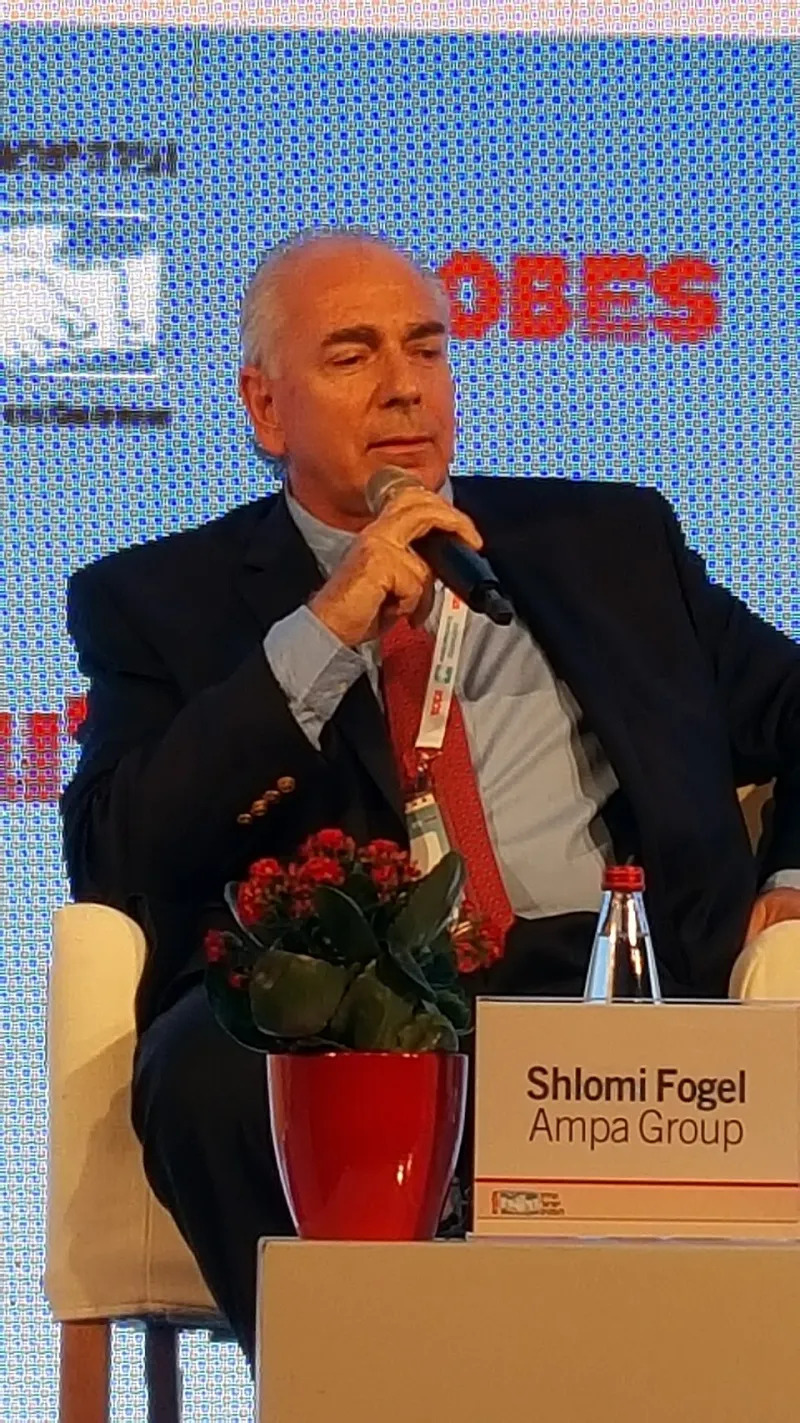
Twelve Months to the Mic: A Founder's Timeline for Earning a Global Summit Panel Seat

Photo: Nikhilsinghsudanllp, CC BY-SA 4.0, via Wikimedia Commons
Every year, thousands of American founders attend the world's premier business summits as audience members, watching peers command stages in front of investors, journalists, and prospective customers. The difference between the two groups is rarely talent or credentials. More often, it is that the people on stage ran a deliberate campaign—one that started roughly a year before the conference doors opened.
If a global stage is on your professional goals list for next year, here is a month-by-month roadmap built on how programming committees actually make their decisions.
Months 12–9: Build a Thesis, Not a Bio
The most common mistake founders make is pitching themselves. Committees do not book people; they book perspectives that fill gaps in an agenda. Before you draft a single pitch, develop a point of view that is specific, timely, and debatable.
Ask yourself three questions. What does your operating experience let you say that analysts cannot? What is the conventional wisdom in your industry that you can credibly challenge? And what data or outcomes can you bring that no one else on a typical speaker list would have?
A pitch about being a serial founder is forgettable. A pitch on why mid-market US manufacturers are winning back nearshored contracts—with numbers from your own operations—gets forwarded to the programming chair.
Months 9–6: Bank Local Credits and Social Proof
Programming directors at major summits are risk-averse. Their reputations depend on speakers who perform. The fastest way to de-risk your candidacy is a track record of solid appearances at smaller venues.
Target industry association conferences, regional chambers of commerce, university entrepreneurship programs, and trade shows within your sector. A Midwest supply chain conference may feel modest, but a well-received talk there—ideally with video footage—gives a global committee evidence that you can hold a room.
During this window, also invest in your public footprint. Publish substantive commentary on LinkedIn. Appear on two or three relevant podcasts. When a committee researches you, and they will, the search results should confirm that you are already part of the conversation.
Months 6–4: Work the CFP Calendar and the Gatekeepers
Most major international conferences open their call-for-speakers windows four to eight months before the event, and many close applications earlier than advertised once the agenda fills. Build a simple tracker of your target events, their CFP deadlines, and the names of the programming leads.
When you submit, tailor every application. Generic pitches are recognizable within seconds. Reference the event's theme, name the track your session fits, and propose a session format—solo talk, moderated panel, or case study—that matches how that summit programs its content.
Just as important, pursue warm paths. A referral from a past speaker, a sponsor, or an industry partner moves your pitch to a different pile. Ask your investors, board members, and clients who they know on programming committees. In this process, one warm introduction routinely outperforms twenty cold submissions.
Months 3–1: Follow Through and Fill the Room
If you land a slot, your obligations have only begun. Committees notice speakers who promote their sessions, and they rebook speakers who draw an audience. Coordinate with the summit's marketing team, share your session across your network, and arrive early enough to participate fully in the event rather than parachuting in for your panel.
If you do not land the slot, handle the decline professionally. Thank the committee, ask what would strengthen a future application, and stay visible. Agendas have late cancellations more often than most people realize, and the first alternate is usually the applicant who stayed warm.
The Compounding Returns
A single global panel rarely changes a company overnight. But the effects compound: the stage recording becomes sales collateral, the credibility shortens sales cycles, and the committee relationships open doors to next year's agenda. Executives who treat speaking as a multi-year development program—rather than a one-time ask—find that by their second or third summit, the invitations start arriving inbound.
Start your twelve-month clock now. The stage next year belongs to whoever prepared for it this year.